

frosted glazing
Understanding Standard Plug Gauges An Essential Tool in Precision Engineering In the world of manufacturing and engineering, precision is of utmost importance. Whether it’s in automotive production, aerospace engineering, or any form of mechanical assembly, ensuring that components fit together perfectly is vital for the safety, functionality, and quality of the final product. One of the key tools used to achieve this level of precision is the standard plug gauge. What is a Standard Plug Gauge? A standard plug gauge is a cylindrical tool used to measure the diameter of holes or the internal dimensions of parts. It serves two primary purposes to check whether a hole is within a specified size tolerance (go) or if it is out of specification (no-go). The gauge typically features two ends—one marked “go” and the other marked “no-go.” When the “go” end of the plug gauge fits snugly into the hole, it indicates that the dimension is acceptable. If the “no-go” end does not fit into the hole, it further confirms that the dimension is within the specified tolerance limits. This simplicity and effectiveness make standard plug gauges indispensable in quality control processes. Construction and Materials Standard plug gauges are usually constructed from high-quality steel, which offers durability and resistance to wear. They are often heat-treated to enhance their hardness, ensuring that they retain their shape and accuracy even after repeated use. The finishing process typically involves grinding and polishing to achieve precise dimensions and a smooth surface, which is important for reliable measurement. In some specialized applications, plug gauges may be made from different materials such as carbide or even ceramic, especially when extreme durability or heat resistance is required. These materials allow for greater longevity and maintain accuracy over a longer period, which is a critical factor in industries that demand high precision. standard plug gauge Applications of Standard Plug Gauges Standard plug gauges are widely utilized across various industries. In the automotive sector, they are used to ensure that engine components fit together correctly, which is essential for optimal performance and safety. Similarly, in the aerospace industry, plug gauges help maintain stringent tolerances required for aircraft parts, where even minute discrepancies can lead to catastrophic failures. Moreover, plug gauges are used in assembly lines to streamline the production process. By incorporating these gauges into the quality assurance phase, companies can detect defects early, reducing waste and rework costs. Additionally, plug gauges are invaluable in tool and die making, where precision is critical for the creation of molds and parts. Calibration and Standards The accuracy of standard plug gauges is paramount to their effectiveness. Regular calibration is essential to ensure that they maintain their specified dimensions and tolerances. Calibrating plug gauges typically involves comparing them against a master gauge with known dimensions. This process helps identify any discrepancies that need adjustment. Moreover, standard plug gauges must adhere to internationally recognized standards, such as those set forth by the American National Standards Institute (ANSI) and the International Organization for Standardization (ISO). Compliance with these standards not only ensures consistency in measurement but also fosters trust among manufacturers and customers alike. Conclusion In conclusion, standard plug gauges play a crucial role in precision engineering and quality control across various industries. Their simple design, combined with their effectiveness in measuring internal dimensions, makes them an invaluable tool for ensuring that components meet rigorous specifications. As technology continues to advance, the importance of precise measurements will only increase, solidifying the position of standard plug gauges as essential instruments in the manufacturing world. Ensuring their proper use and maintenance is vital for any enterprise aiming for excellence in production and assembly processes.
about
frosted glazing
Understanding the Significance of Rebar Caps in Reinforced Concrete Structures In the realm of construction, reinforced concrete stands as a cornerstone material, offering a blend of strength, durability, and versatility that underpins countless structures around the globe. A pivotal yet often overlooked component in this robust system is the humble rebar cap, an element whose role, though small, contributes significantly to both worker safety and the longevity of the structure. This article delves into the essence of rebar caps, exploring their purpose, benefits, and the standards that govern their use. **The Fundamentals of Rebar Caps** Reinforcing bars, commonly referred to as rebars, are steel bars embedded in concrete to enhance its tensile strength, a critical attribute lacking in plain concrete. Exposed rebars at construction sites pose a dual threat they can cause injuries to workers through accidental impalement or create pathways for corrosive elements to infiltrate the reinforcement, compromising the integrity of the structure over time. This is where rebar caps come into play. Rebar caps are protective covers made typically from plastic or rubber that fit securely over the exposed ends of rebars. These caps serve as a safeguard against injury by eliminating sharp edges and points, thereby reducing the risk of puncture wounds. Moreover, they act as barriers against moisture and corrosive substances, preserving the rebar's pristine condition until the concrete pour. **Safety First The Importance of Rebar Caps in Worksite Safety** Worksite safety should always be a paramount concern in construction sites. The Occupational Safety and Health Administration (OSHA) in the United States, along with similar regulatory bodies worldwide, have established guidelines mandating the use of rebar caps to mitigate potential hazards. According to OSHA Standard 1926.701(b), All protruding reinforcing steel, onto and into which employees could fall, shall be guarded to eliminate the hazard of impalement. Compliance with such regulations not only safeguards workers but also helps companies avoid costly fines and legal liabilities associated with workplace accidents Compliance with such regulations not only safeguards workers but also helps companies avoid costly fines and legal liabilities associated with workplace accidents Compliance with such regulations not only safeguards workers but also helps companies avoid costly fines and legal liabilities associated with workplace accidents Compliance with such regulations not only safeguards workers but also helps companies avoid costly fines and legal liabilities associated with workplace accidents rebar cap . **Preserving Structural Integrity** Beyond immediate safety considerations, rebar caps contribute to the long-term health of a structure. By preventing water and chemicals from seeping into the rebar ends, these caps inhibit the onset of corrosion. Corrosion of reinforcement can lead to cracking, spalling, and eventual structural failure. Thus, the simple act of capping rebars is a preventative measure that extends the service life of the concrete structure, translating into substantial cost savings over time. **Quality Standards and Selection Criteria** When selecting rebar caps, adherence to industry standards is crucial. Caps should conform to ASTM (American Society for Testing and Materials) standards or equivalent international norms to ensure they provide adequate protection. Key factors to consider include the cap's material (ensuring it's resistant to UV degradation and compatible with concrete chemicals), fitting compatibility with various rebar sizes, and ease of installation and removal without damaging the rebar or compromising the cap's integrity. **Conclusion** Rebar caps, though diminutive in size, play an outsized role in enhancing worksite safety and ensuring the longevity of reinforced concrete structures. Their implementation underscores a commitment to worker welfare and the pursuit of construction excellence. As the industry continues to advance, innovations in rebar cap design and materials will further elevate their effectiveness, reinforcing their status as indispensable components in modern construction practices. Whether in towering skyscrapers or humble residential projects, the judicious use of rebar caps is a testament to the adage that the smallest details can make the biggest difference.
-

High quality industrial productsagement

High quality industrial products
View Details -

Meet the diverse needs of customers

Meet the diverse needs of customers
View Details -

Strict quality control

Strict quality control
View Details -

Top raw materials

Top raw materials
View Details -

Trusted supplier

Trusted supplier
View Details
Our application


news and information
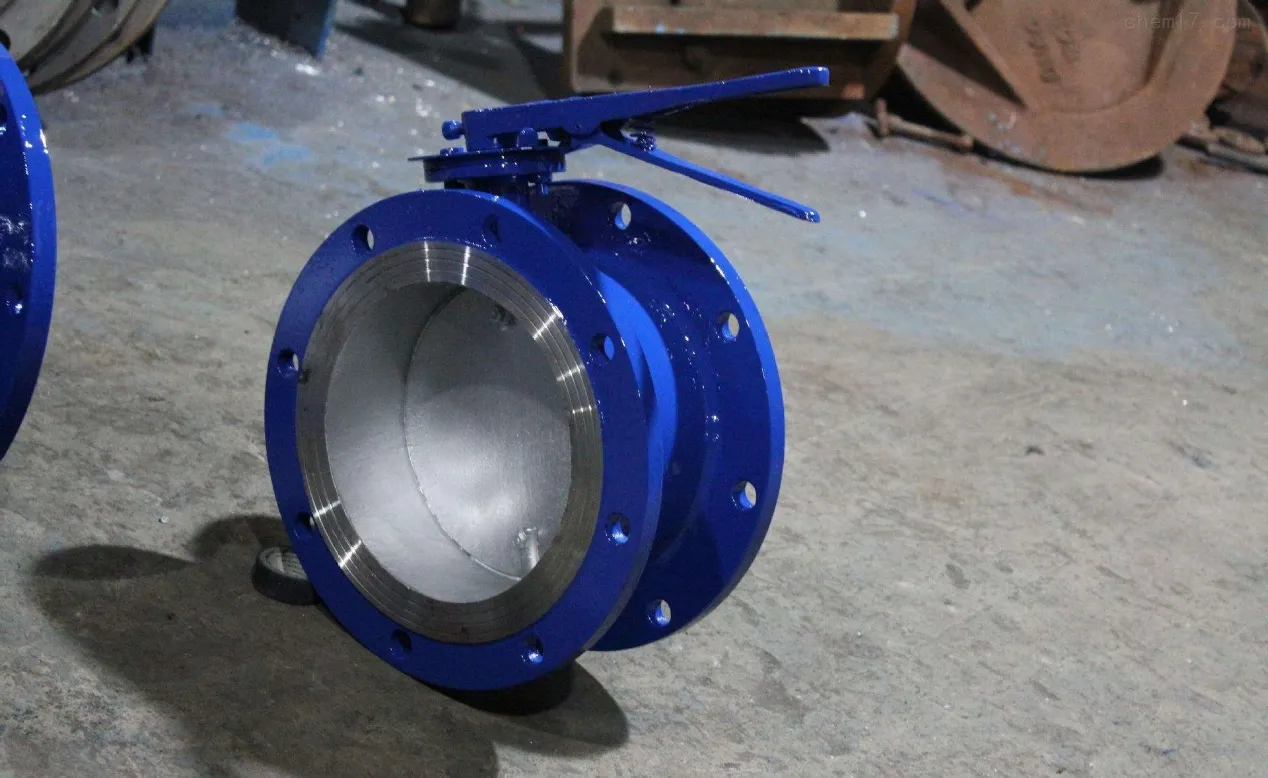
Using a Measuring Stick and Level for Accurate Marking
marking ruler with spirit level .

y type strainer
In the realm of industrial applications, the 3-flanged gate valve remains an indispensable component
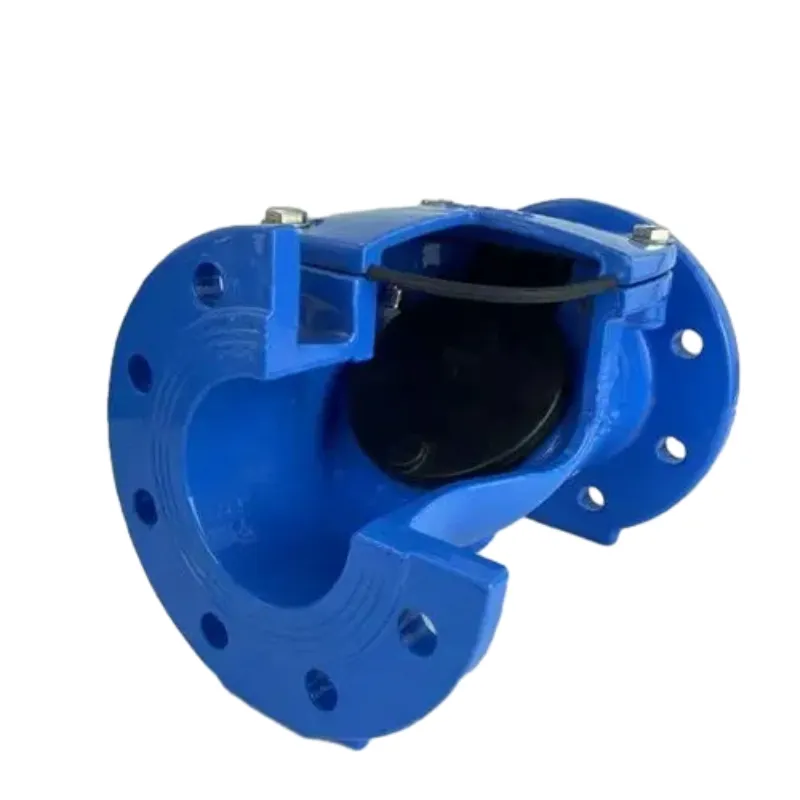
Wholesale Options for High-Quality Ball Valves in Various Sizes and Materials
The Growing Market for Ball Valve Wholesale Trends and Insights In the world of plumbing and industr
 English